
Cargo Insurance
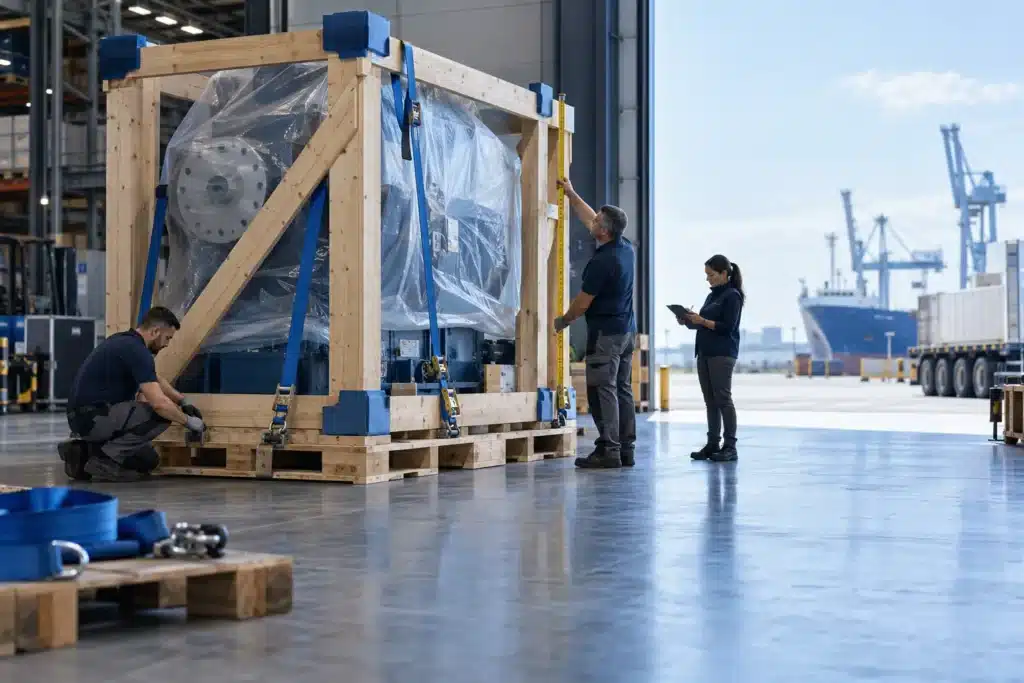
Plan the transport. Review the insurance.
Cargo may pass through warehouses, trucks, terminals, ships and aircraft before reaching its destination. Cargo insurance addresses physical loss of or damage to goods during transport, subject to the risks and stages covered by the policy. The review should reflect the actual route, packaging and cargo value.
A carrier’s liability is different from insurance for the cargo owner. Liability may be limited by the transport terms and applicable law, so compensation should not be assumed to equal the full value of the goods.
ELISHAR collects shipment information to coordinate cargo insurance enquiries with the appropriate parties. Send the goods description, value, route and intended dispatch date so we can review the options as part of the freight arrangements.
Cover takes effect only in accordance with confirmation and the terms of the issued policy. Check the sum insured, deductible, exclusions and the start and end of cover. Booking freight or providing cargo details does not, by itself, confirm insurance.
The enquiry can be coordinated alongside sea freight, air freight or road transport, depending on the planned route.
Particularly relevant for:
What we coordinate:
Cargo details and value
Reviewing the transport route
Reviewing terms and cover
Confirmation before dispatch
Cargo insurance FAQs
Is cargo insurance automatically included in the freight price?
Do not assume so. Transport and cargo insurance are separate items. Confirm whether insurance has been arranged, who the insurer is, the sum insured and the applicable terms, and obtain appropriate confirmation.
How does cargo insurance differ from carrier liability?
Cargo insurance covers the goods against risks specified in the policy. Carrier liability concerns the carrier's obligations to the cargo owner and may be limited by the transport terms and applicable law. It is not an automatic substitute for cargo insurance.
Can sea, air and road shipments be insured?
Insurance can be assessed for cargo moving by sea, air or road. Check that the policy matches the specific route and required transport stages. Intermediate storage or special requirements may need additional review and extensions.
What information is needed for an insurance enquiry?
Provide the goods description and condition, quantity, value, currency, packaging, collection point, destination, transport mode and shipment date. Include an invoice or valuation and flag fragile goods, refrigeration or used equipment.
Can insurance be arranged after the cargo has left?
Contact us before transport begins and obtain confirmation for the relevant coverage period. If cargo has already left, state this explicitly: availability and terms are assessed individually. Do not assume retrospective cover.
What should I do if cargo damage is found?
Document the damage and packaging condition, retain shipping documents and invoices, and promptly contact the relevant parties under the policy's instructions. We will notify the relevant parties as part of shipment coordination. Claims and entitlement are assessed under the insurance terms.